Loading...
Serving Pittsburg, CA and surrounding areas. (925) 318-8532
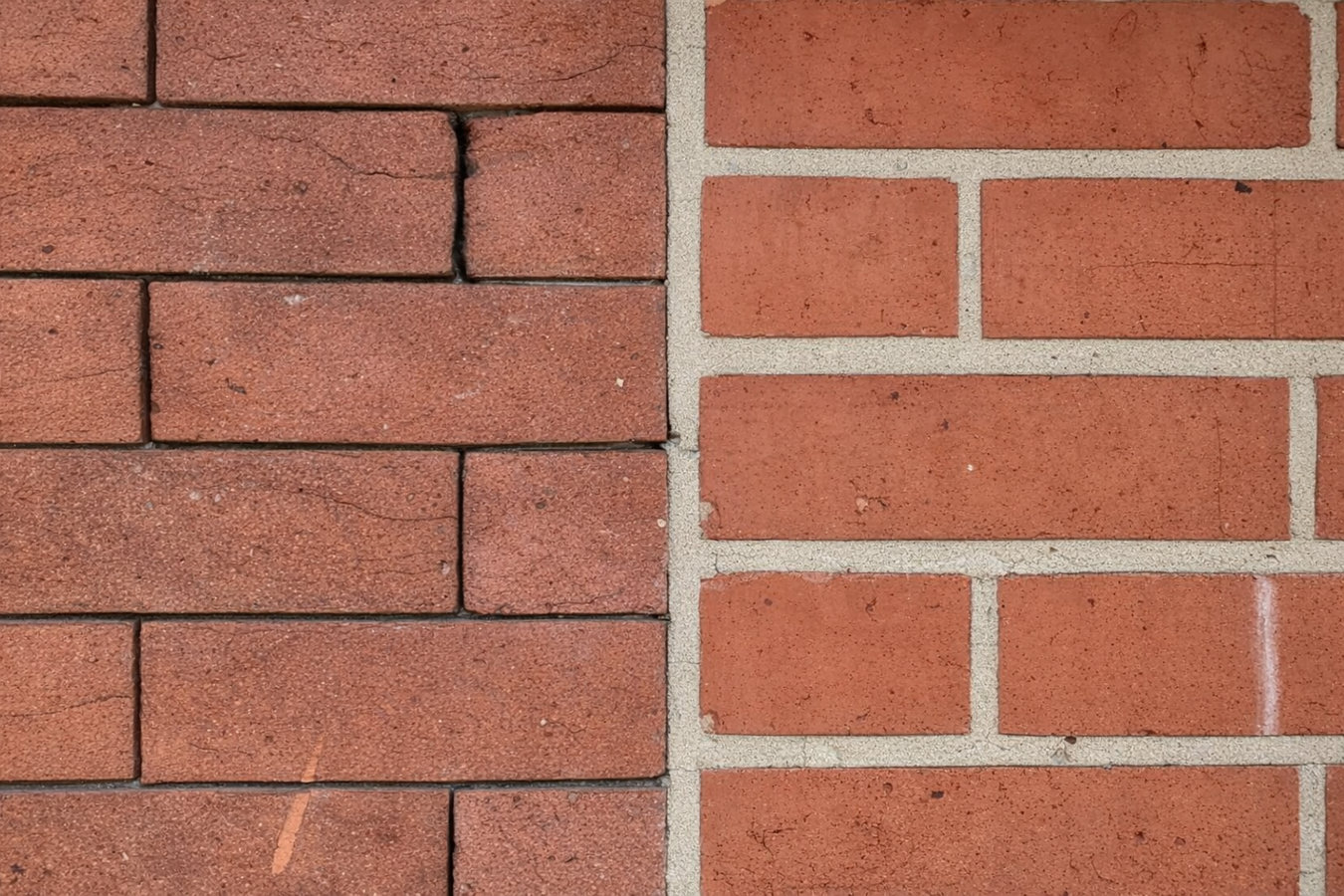
Crumbling mortar joints let water into your walls, your chimney, and your home. Brick pointing fixes the problem at the source - before the damage reaches the framing.
Brick pointing in Pittsburg, CA means removing old, deteriorated mortar between your bricks and packing in fresh mortar matched to your existing material - most jobs on a single wall or chimney take one to three days from start to finish.
Mortar is softer than brick by design - it absorbs movement and moisture so the bricks themselves do not crack. Once the mortar wears out, water finds every gap, and the damage speeds up fast. Pittsburg homes built between the 1920s and 1960s often used lime-based mortars that have simply reached the end of their lifespan. Catching this while it is still a mortar problem - before it becomes a structural problem - keeps the repair affordable. For walls that have gone beyond worn mortar and need more significant work, our foundation repair service may also be relevant.
If you are not sure whether what you are seeing is mortar wear or something more serious, a short call is the fastest way to find out. Reach us at (925) 318-8532 or request a free on-site estimate.
Press your thumb firmly into the mortar lines on any brick wall, chimney, or planter on your property. If the material feels soft, flakes away, or leaves powder on your finger, it has broken down enough to let water in. This is the clearest sign that repointing is overdue - the sooner you address it, the less damage water will cause.
Chalky white streaks or patches on your brickwork are a sign that water is moving through the wall and carrying mineral salts to the surface. In Pittsburg, the combination of bay humidity and seasonal rain makes this especially common on north-facing walls and on older homes near the waterfront. The staining itself is not structural damage, but it tells you water is getting in through failing mortar joints.
Stand back and look at your brick wall from a few feet away. If you can see dark gaps, holes, or sections where the mortar has completely washed out, water is already entering the wall freely. Pittsburg's older homes - particularly those built before the 1960s - are prone to this because the original lime mortars have simply reached the end of their lifespan.
Pittsburg summers are hot and dry, and the soil around foundations can shrink and shift slightly during extended dry spells. If you notice new cracks appearing in your mortar joints in late summer or early fall - particularly step-shaped cracks that follow the mortar lines diagonally - that is a sign the wall has moved and the joints need attention before the rainy season arrives.
Our brick pointing work starts with removing old mortar to the right depth - about three-quarters of an inch - before packing in fresh mortar in layers and tooling the joints so they shed water and match the profile of your existing work. We always assess the existing mortar type before mixing anything new. On homes built before the 1960s, using a modern high-cement mortar can actually damage the bricks, so matching the original material is not optional - it is part of doing the job correctly. We also handle tuckpointing for projects where a two-tone finish is needed or where specific joint profiles are required.
Beyond walls and chimneys, we point brick planters, garden borders, front steps, and other exterior masonry features. If an inspection reveals that some bricks are cracked or damaged alongside the mortar wear, we can handle that as part of the same job - replacing individual bricks so the finished wall is solid and the repair blends in rather than standing out. Homeowners dealing with broader aging masonry sometimes pair pointing with foundation repair if the inspection turns up issues at the base as well.
Suits homeowners with one or more brick walls showing soft, crumbling, or missing mortar that is letting in moisture.
Suits homeowners whose chimney mortar is visibly deteriorated or who have seen water intrusion in the firebox or surrounding walls.
Suits properties where the existing joints need a specific finish profile or where two-tone joint work is part of the original design.
Suits walls where individual bricks are cracked or spalled and need swapping out before the new mortar is applied.
Pittsburg sits at the eastern edge of Suisun Bay and experiences what locals call the Delta breeze - a pattern of cool, moist air that pushes inland from the bay most evenings, especially in summer. That daily cycle of moisture and drying puts repeated stress on mortar joints, and homeowners near the waterfront or in lower-lying areas of the city often see mortar deteriorate faster than those in drier inland neighborhoods. Scheduling repointing work during the dry season - typically May through October - gives new mortar the best chance to cure properly before the fall rains arrive. Homeowners in Martinez and Bay Point face similar bay-adjacent conditions and often call us for the same reasons.
Pittsburg also has a large concentration of homes built between the 1920s and 1960s - particularly in the neighborhoods near downtown and the waterfront. Brick and masonry construction from that era used lime-based mortars that behave differently from modern cement mortars, and using the wrong mix on an older home can cause the bricks themselves to crack over time. A contractor working on your home needs to recognize this and assess the existing mortar before mixing anything new. We do that as a standard part of every pointing estimate - because getting the mortar right is what makes the repair last. The Brick Industry Association provides guidance on mortar compatibility that informs how we approach older residential work.
We reply within one business day. We will ask a few basic questions - where the brickwork is, how large the area looks, and whether you have noticed any specific damage. Most contractors will schedule a free on-site visit within a few days.
We walk around the affected area, look closely at the mortar joints, tap on bricks to check for hollow spots, and assess whether any bricks need replacing alongside the pointing work. We explain what we are seeing in plain terms, not trade language.
You receive a written quote that specifies the mortar type, the scope of work, and the total cost. Make sure any quote you compare specifies that the mortar will be matched to your existing brickwork - this protects you from a mismatch that looks bad or causes damage down the line.
The crew grinds out old mortar, packs in fresh mortar in layers, and tools the joints clean. New mortar needs 24 to 48 hours before it can get wet, and up to a week before full strength. We tell you what to avoid during that period before we leave.
Free on-site estimate. No obligation. We match mortar to your home's existing material before any work begins.
(925) 318-8532Using the wrong mortar on an older Pittsburg home - especially one built before the 1960s - can crack the bricks. We assess the existing material first, then select a compatible blend. That step protects your brickwork and makes the repair last, rather than creating a new problem within five years.
Pittsburg's bay humidity and daily moisture cycles mean scheduling and curing matter more here than in drier climates. We time our work for dry stretches and protect fresh mortar from early moisture - so the new joints bond correctly and hold through the rainy season without rework.
Most brick pointing does not require a permit in Pittsburg, but structural masonry work sometimes does. We confirm with the City of Pittsburg Building Division before quoting anything structural, so there are no stop-work surprises mid-project. You can also verify our California contractor license through the Contractors State License Board.
In Pittsburg's older neighborhoods, a repointing job that uses the wrong color or texture of mortar stands out and can affect how your home looks. We take the time to match your existing joints so the finished work blends in naturally - which matters whether you plan to stay for decades or are thinking about selling.
The right mortar mix, the right timing, and a repair that actually blends in - that is what separates pointing that lasts from pointing that needs to be redone. Call (925) 318-8532 or request a free estimate online.
Structural repairs to foundations showing cracks, settling, or water intrusion that point work alone cannot address.
Learn MoreTwo-tone joint finishing that restores the visual contrast between brick and mortar on older decorative brickwork.
Learn MoreBeat the fall rainy season - most crews book out two to three weeks in advance, so reach out now before your open slots are gone.